Roofing in Seal Beach, CA
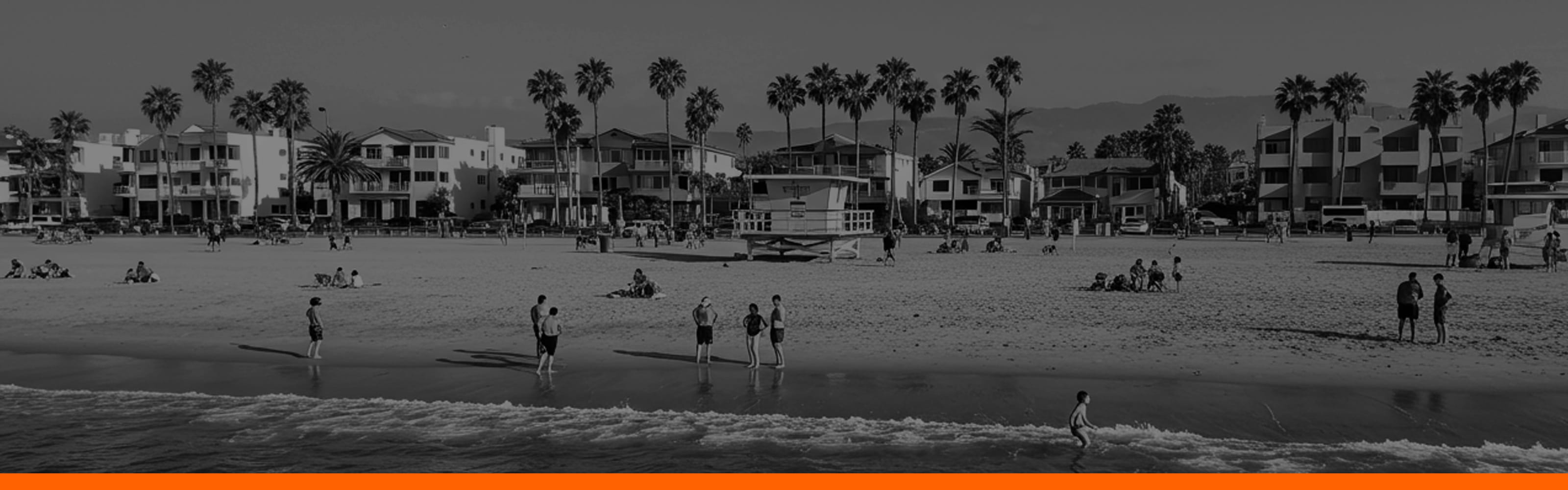
Seal Beach is one of Orange County’s classic coastal communities, with a small beach-town identity that shows up in the way its neighborhoods are built, maintained, and lived in. Old Town, Main Street, the pier area, beach-adjacent streets, The Hill, Bridgeport, Surfside, College Park East, College Park West, Leisure World, and inland residential pockets all feel like part of the same city, but they do not all present the same roofing conditions.
Seal Beach also has a wider range of property types than many people expect. The city includes beach cottages, older single-family homes, suburban tract-style homes, senior community housing, custom coastal properties, garage/apartment structures, triplexes, small multi-unit buildings, and homes that have been expanded or remodeled over time.
Roofing in Seal Beach calls for a plan that accounts for the specific property, the neighborhood, and the conditions around the job. In Old Town or near Main Street, a roof may have been changed, patched, added onto, or tied into during past remodels, so the history of the home is part of what we are looking at. For homes closer to the beach, Surfside, or the pier area, marine air and moisture make the metal details, flashing, and waterproofing more critical than they would be on a standard suburban roof. Access is a real factor too. Tighter beach-adjacent streets can limit where materials are delivered, where tear-off debris is collected, and where crews can park. And in Leisure World, Surfside, condos, townhomes, or other managed properties, the job may require approvals, access instructions, or communication with a Mutual, board, association, or property manager before work can begin.
Mike Killeen Quality Roofing understands those specific differences, and we plan the roof around the realities of the property and the neighborhood. In Seal Beach, that can mean checking older tie-ins near Old Town, accounting for coastal moisture near the beach, planning access on tighter streets, or coordinating with Leisure World, Surfside, an association, or a property manager before the job starts.
Roof Materials and Roof Systems We See in Seal Beach
Seal Beach has a varied roof mix in a small area. In one neighborhood, we may see composition shingle roofs. In another, tile, shake-style roofing, garage roofs, apartment roofs, older roof systems, or properties with more than one roof material. That variety is part of what makes Seal Beach roofing different from roofing in more uniform residential areas. A contractor working in Seal Beach needs experience with more than one roof type and more than one kind of property.
Composition Shingle Roofing
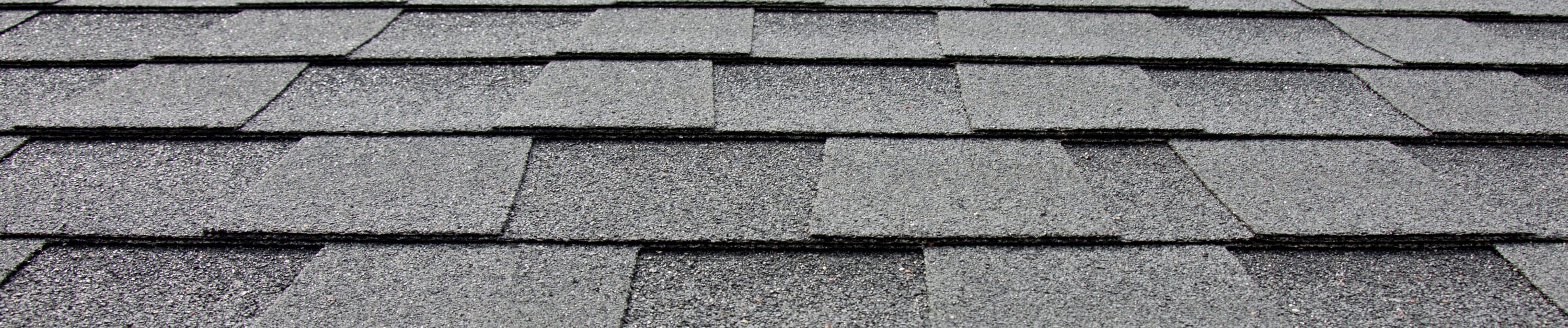
Composition shingle roofing is common throughout Seal Beach, especially on single-family homes and suburban-style properties. We have worked with many composition roofing systems, including GAF, CertainTeed, ELK, and similar manufacturers. On the right home, composition shingles can provide a clean residential appearance, practical value, and strong manufacturer support.
Specialty Roof Systems
Specialty roof systems in Seal Beach may include built-up roofing, cap sheet roofing, rock roofs, tile, lightweight tile, shake, and shake-look roofing. These roofs often require more judgment than a straightforward composition shingle replacement because the work may involve older materials, added weight, existing roof appearance, past repairs, or multiple roof areas on the same property.
- Built-up roofing, cap sheet roofing, and rock roofs are often found on flat roof areas, garage roofs, apartment roofs, additions, patio sections, and older beach-area properties. These roof areas need careful attention to drainage, edges, tie-ins, and waterproofing because water does not leave the surface the same way it does on a steeper residential roof.
- Tile and lightweight tile roofs have different needs. The roof plan may involve repairing broken tile, matching existing tile, checking the condition beneath the tile, or deciding whether the home should stay with tile at all. Weight, appearance, age, and the condition of the underlying roof system all matter.
- Shake and shake-look roofs bring another set of considerations. Some Seal Beach homes still have older shake roofs or were built with a heavier roof profile. In those cases, the project may involve replacing aging wood shake, preserving the dimensional look of the roof, or choosing a modern material that fits the home’s exterior.
Replacing these systems means dealing with what the old roof leaves behind. Rock roofs can leave loose aggregate, heavy debris, and uneven surfaces that need to be stripped clean before the new roof goes on. Tile and shake replacements may expose broken battens, old underlayment, dry wood, or framing that was hidden for years. Cap sheet and built-up roofs may have layers that need to be cut back, scraped, and cleaned down so the new roof is not sitting on failed material. On garage and apartment roofs, we also have to control tear-off debris around cars, tenants, gates, patios, and neighboring property. The replacement starts with getting the old roof off the right way and leaving a clean, solid surface for the new system.
Why Roof Slope Matters in Seal Beach
Roof slope matters because it controls how water moves across the roof. The steeper the slope, the more quickly water can shed from the surface. The lower the slope, the more the roof has to rely on waterproofing, drainage design, seams, flashing, and edge details to prevent leaks. In Seal Beach, where one property may include pitched and low-slope sections, the roofing plan should be based on how each area drains and what kind of system that slope can properly support.
Flat and Low-Slope Roof Areas
Flat and low-slope roof areas need different planning than pitched shingle roofs. These areas require close attention to waterproofing. Drainage, ponding potential, roof edges, seams, penetrations, flashing, scuppers, transitions, and surface condition all become important when water moves slowly across the roof. In Seal Beach, low-slope areas may appear on garages, rear additions, patio covers, apartment sections, accessory structures, older beach-area homes, multi-unit properties, and mixed roof systems. These areas should be evaluated separately from the main pitched roof.
We'll identify which sections can receive composition shingles and which sections need a low-slope roofing system designed for slower drainage and stronger waterproofing.
Mixed Pitched-and-Flat Roof Systems
Mixed roof systems are common in Seal Beach. A home may have a pitched shingle roof with a flat rear section, a main house roof with a separate flat garage roof, a tile roof with a cap sheet area, or a garage/apartment structure with its own roof conditions. These mixed systems require careful planning around transitions. The connection between a pitched section and a flat or low-slope section is often one of the most important waterproofing details on the property.
We look closely at pitched-to-flat transitions, roof-to-wall connections, step flashing, counterflashing, edge metal, penetrations, skylights, chimneys, drainage paths, valleys, seams, garage tie-ins, apartment tie-ins, additions, and patio-cover connections.
Each roof section may need a different material, while the full roof still needs to work as one system. The roof has to be detailed around how the sections meet, how water moves between them, and how coastal exposure may affect those details over time.
Roofing for Seal Beach Triplexes, Garages, and Multi-Unit Properties
Not every Seal Beach roofing project is a single-family home with one simple roofline. Mike Killeen Quality Roofing has handled Seal Beach roofs on triplexes, small multi-unit buildings, garage/apartment structures, flat garage areas, detached structures, and properties with multiple roof sections.
That experience matters because these projects often involve more coordination than a typical single-family reroof. A triplex or small multi-unit property may have multiple occupants, shared walkways, shared driveways, limited parking, garage areas, rear units, and roof sections that are not easy to access from the street.
The roofing plan needs to account for how the property is used during the job. Tenant access, parking, material delivery, tear-off debris, neighbor protection, daily cleanup, staging, and debris control can all matter when multiple units or shared areas are involved.
Garage/apartment structures and rear units also need to be evaluated as part of the full property, not treated as an afterthought. Their roof slope, drainage pattern, flashing, and tie-ins may differ from the main building, and leaks in these areas can affect parking areas, storage spaces, living units, patios, garages, or shared access points below.
Coastal Exposure and Waterproofing Details in Seal Beach
Seal Beach’s coastal setting can affect roof performance, especially on homes closer to the beach, Old Town, Main Street, Surfside, Ocean Avenue, Electric Avenue, Seal Way, and other coastal streets. The most important concerns are often the details that keep water out.
Marine moisture, salt air, morning marine layer, coastal humidity, and wind exposure can place added stress on roof components. Over time, coastal exposure may affect metal, sealants, fasteners, vents, pipe jacks, gutters, edge metal, and flashing. Older repairs or weak tie-ins can become vulnerable when moisture repeatedly reaches the same areas.
We pay close attention to flashing, edge metal, vents, pipe jacks, fasteners, gutters, skylights, chimneys, roof penetrations, sealants, low-slope seams, roof-to-wall transitions, drainage points, valleys, eaves, fascia, and areas where water may have been trapped.
Flat and low-slope roof sections need careful waterproofing because water does not move off them as quickly as it does on a pitched roof. Seams, edges, penetrations, and drainage points become important. If the roof is close to the coast, those details may also be exposed to moisture and corrosion risk. Wood condition should also be checked carefully, especially around old leak areas, eaves, fascia, transitions, roof edges, and places where moisture may have been trapped.
Clean, Careful Roofing Work in Tight Seal Beach Neighborhoods
Seal Beach roofing projects can require careful jobsite planning because many properties are in compact, high-visibility residential areas. This is especially true near Old Town, Main Street, the numbered streets, beach-adjacent homes, Surfside, and other areas where homes, garages, patios, sidewalks, and neighboring properties may sit close together.
We plan around limited side-yard access, close neighboring homes, constrained parking, dumpster or trailer placement, material delivery, tear-off protection, debris control, nail cleanup, driveway and sidewalk protection, patio and landscaping protection, end-of-day cleanup, tenant access, and neighbor impact.
Neighbor protection should be part of the job from the beginning. In a walkable, visible beach-town environment, an organized job site and daily cleanup can make the project less disruptive.
City of Seal Beach Permits, Leisure World, and Surfside Coordination
Roofing in Seal Beach may involve local permit requirements and community coordination. Seal Beach has its own city-level building process along with distinct community settings such as Leisure World and Surfside.
City of Seal Beach Roofing Permits
Roofing permits in Seal Beach are handled through the City of Seal Beach. Re-roofing is specifically recognized as a local permit category, so roof replacement work should be planned with the city process in mind. Depending on the scope, a roofing project may involve permit documentation, inspections, valuation, approved materials, code requirements, and California energy-code or cool-roof considerations. Larger or more complex projects may require additional coordination, especially if the roof is part of a broader remodel, addition, repair, or structural scope.
Leisure World Roofing Coordination
Leisure World is one of the clearest Seal Beach-specific coordination issues. Roofing work there may involve Mutuals, management, board communication, shared structures, approved materials, access rules, scheduling requirements, and questions about who is responsible for authorizing the work. Requirements can vary by Mutual. In some cases, roof replacement may be connected to community maintenance responsibilities, reserve planning, management communication, or board-level approval. A City of Seal Beach permit does not automatically resolve Leisure World approval or coordination requirements. Before work begins, the homeowner or property representative should confirm the applicable Mutual’s rules, approval authority, allowed materials, access requirements, and scheduling process.
Surfside Roofing Coordination
Surfside is another Seal Beach-specific community where roofing coordination can matter. Because Surfside is a gated coastal community close to the ocean, roofing work may require attention to gate access, parking, staging, material delivery, debris removal, neighbor impact, and community expectations.
City Requirements and Community Approval Are Separate
City permits and community approvals are separate. A Seal Beach roofing project may need to satisfy City of Seal Beach requirements while also meeting Leisure World Mutual rules, Surfside community procedures, condo or townhome association standards, property-management requirements, or multi-unit owner coordination.
The Right Roofing Approach for Seal Beach’s Coastal and Inland Properties
Roofing in Seal Beach is local in a very practical way. A home near the beach, a property in The Hill, a College Park residence, a Leisure World unit, a Surfside home, or a small multi-unit building may all be part of the same city, but the roofing conditions, access, approvals, and jobsite concerns can be very different. Mike Killeen Quality Roofing brings that local understanding to each Seal Beach project.
Before recommending a roof system, we look at how the property is built, how the roof drains, where past repairs or transitions may create weak points, how close neighboring properties are, and whether the work needs city, Mutual, association, property-manager, or community coordination. That kind of planning helps the project fit the property and the neighborhood.